Hello everyone, today I want to share an interesting topic with you, which is about the composition of local specialty food - white rice. So I have compiled two related compositions about white rice, let's take a look together.
The first composition is about a family meal scene:
"Dinner is ready! Dinner is ready!" With my grandmother's call, the whole family gathers around the table. Today's meal is abundant, yet I find myself unable to eat, staring at the dishes with a blank expression. Seeing my expression, my grandmother can't help but nag: "It's really hard to feed children nowadays. It's hard to understand what they like to eat. If it was during your father's childhood, not to mention so many good dishes, even seeing this white rice would have been enough to make him rush to eat..."
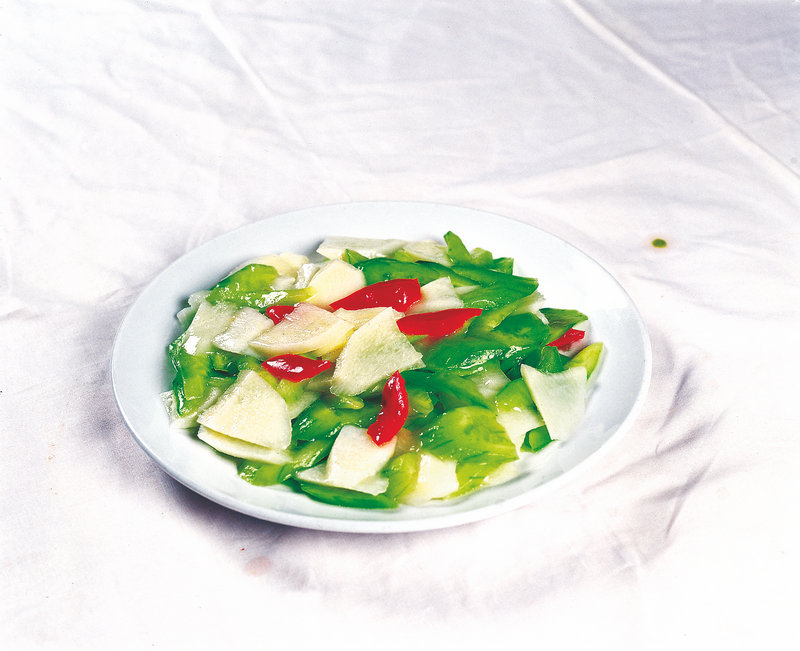
At this point, my mother enters with a tray and says to everyone, "Try this. This is the purslane that I dug with Si Rui yesterday after school. It's a real all-natural green food. Many people in the field competed to dig it, and it was only possible to get these after much effort." I immediately become excited and rush to say, "Give me! Give me! I want to eat purslane!" My father also takes a big forkful and says while filling his mouth, "Why do people rush to pick purslane? When I was a child, purslane was everywhere.榆树叶、柳树芽都落光了, we still couldn't get enough food. We even fought over purslane. But now, so much oil, seasoning, sesame seeds, and chopped peanuts are added when cooking. Back then, we just boiled it with salt and sometimes didn't even have enough salt to put on our food." She then takes another big bite.
My grandfather joins in as well, slowly chewing his food and saying to me, "When your father was a child, he was able to eat enough and would try to eat something better by changing the variety every few days. He would occasionally indulge in fish or meat to satisfy his taste for variety and forget about purslane. Looking at the dishes on the table now, there is such a wide variety that you can choose from. Bringing out purslane now is because it doesn't have pesticides and is more nutritious and healthier. It’s fascinating how times have changed! Your grandparents ate to be full, your parents ate for taste, while now you aim for health."
I am happy to share my suggestion: "Grandma, you can't force me to eat fish and meat all the time for health reasons. I propose that on Sundays we all go dig purslane together and have a 'purslane feast'. What do you think?" Everyone answers enthusiastically and with greater appetite!
The second composition is about the process of making rice in English:
Making Rice: A Traditional Process
In many parts of the world, rice is a staple food that forms the basis of daily meals. The process of making rice involves several steps that ensure its delicious taste and texture.
First, clean rice is soaked in water for a period of time to make it easier to cook. Then, the water is drained and the rice is placed in a pot with fresh water. The pot is then placed on a stove and heated until the water boils. Once the water starts boiling, the heat is lowered to ensure that the rice doesn't burn. The rice continues to cook for a certain period of time until it becomes tender and absorbed all the water. At this point, the cooked rice is fluffy and ready to be served.
Many cultures have their own traditional methods of cooking rice, incorporating various ingredients and flavors to enhance its taste. For example, some people add herbs or spices during the cooking process to give the rice a unique flavor. Others may steam the rice with vegetables or meats to create a complete meal in one dish.
The process of making rice may vary depending on the region and cultural tradition, but its importance remains constant as a source of nourishment and comfort. From simple white rice to complex dishes incorporating various flavors and ingredients, rice remains a central part of many people's diets around the world.Using various ingredients, we can create a delicious and nutritious meal. For this recipe, you will need: semi-cooked rice, eggs, one carrot, one-third of a potato, two small mushrooms, one block of tofu, one spoonful of meat, and one tablespoon of broth.
Here's how to make it:
1. Prepare the vegetables by cutting the carrots, potatoes, and tofu into small pieces, and slicing the mushrooms. Beat the eggs with a suitable amount of salt and MSG to enhance flavor.
2. Heat a small amount of oil in a pan, add the meat, and pour cooking wine and a little soy sauce. Stir until the meat is cooked through.
3. In another pan, add a little oil and pour the beaten eggs. Use a spatula to stir and break up the egg mixture into liquidy edges.
4. Heat moderate oil in a pot and add the prepared vegetables - carrot, potato, tofu, and mushrooms. Stir for a while, then season with salt and MSG. Place the pot on a low flame for stewing. Once the vegetables are tender, add the rice, meat, eggs, and pour in the broth. Let it stew for two minutes.
The finished dish boasts a vibrant color and a savory taste. The rice is cooked to perfection, soft and easy to digest.
This is how you can make a local delicacy - the white rice dish - at home. The two key points to this recipe are cutting the ingredients into small pieces for even cooking and seasoning with care. We hope this introduction to local cuisine has been helpful!
转载菜谱宝文章保留链接: 地方特色美食白米饭作文,地方特色美食白米饭作文怎么写